
Citigroup Caught In Phone-Fraud Botnet
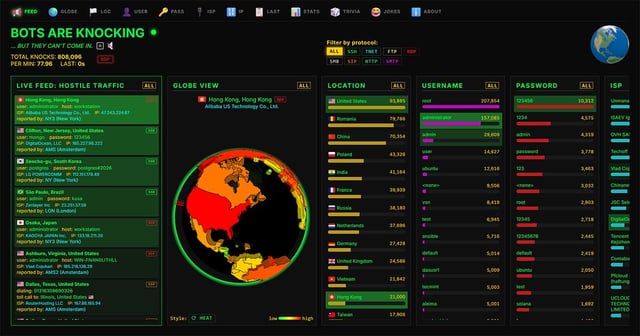
A recent incident highlighted the unexpected involvement of a multinational bank, a US state, and a custom teddy-bear workshop in a phone-fraud botnet. This unusual combination of entities underscores the complexity and reach of modern cyber attacks. As the security community tracks intrusion activity, it's essential to understand the implications of such incidents and how to mitigate potential risks.
Understanding Phone-Fraud Botnets
Phone-fraud botnets are networks of compromised devices or systems used to conduct fraudulent activities over phone lines. These botnets can be used for various malicious purposes, including phishing, spamming, and financial fraud. The involvement of reputable organizations like Citigroup and Build-A-Bear in such incidents, albeit unwittingly, emphasizes the need for robust security measures and vigilance.
Attack Surface Awareness
Attack surface awareness is crucial in preventing and responding to cyber attacks. This involves understanding the potential vulnerabilities and entry points that attackers can exploit. In the context of phone-fraud botnets, awareness of the attack surface can help individuals and organizations take proactive measures to secure their systems and protect against fraud.
Scanning and Privacy Hygiene
Regular scanning and privacy hygiene practices are essential for maintaining security. This includes monitoring systems for suspicious activity, updating software regularly, and implementing robust privacy measures. By prioritizing scanning and privacy hygiene, individuals and organizations can reduce their risk of being compromised and used in malicious activities like phone-fraud botnets.
Coordinated Attacks and Mitigation
Coordinated attacks, like the one involving Citigroup, Idaho, and Build-A-Bear, require a comprehensive mitigation strategy. This involves collaboration between organizations, sharing of threat intelligence, and implementation of robust security protocols. By working together and prioritizing security, it's possible to mitigate the impact of such attacks and prevent future incidents.
What this means for you is that being aware of the potential risks and taking proactive measures to secure your systems and protect your privacy is more important than ever. Regularly review your security protocols, stay informed about potential threats, and prioritize scanning and privacy hygiene to minimize your risk of being involved in or affected by cyber attacks like phone-fraud botnets.