
US Cyber Command Faces Suicide Crisis
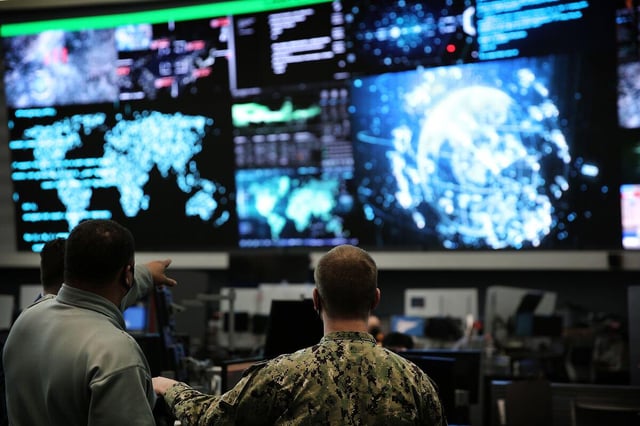
The US Cyber Command, a critical component of the US military's cybersecurity efforts, is grappling with a disturbing trend: a cluster of suicides among its personnel. Over the course of a month, between early June and early July, as many as five individuals linked to the US Cyber Command died by suicide. This alarming rate has sparked an examination of the unit's work environment and mental health support systems.
Understanding the Context
The US Cyber Command plays a vital role in protecting the nation's digital infrastructure from cyber threats. The work can be high-stress, requiring personnel to be constantly vigilant and responsive to emerging threats. While the exact causes of the suicides are not yet publicly known, the cluster of deaths has raised questions about the toll this work can take on individuals' mental health.
Work-Related Stressors
Cybersecurity work can be inherently stressful, with professionals often working long hours in high-pressure environments. The constant need to stay ahead of evolving threats, coupled with the responsibility of protecting sensitive information, can take a significant toll on mental health. Furthermore, the nature of cybersecurity work can sometimes involve isolation, which can exacerbate feelings of loneliness and disconnection.
Mental Health Support and Awareness
Recognizing the importance of mental health support in high-stress professions like cybersecurity is crucial. Organizations, including those within the military, must prioritize creating an environment where individuals feel supported and encouraged to seek help when needed. This can involve access to counseling services, stress management programs, and promoting a culture that reduces stigma around mental health discussions.
Privacy Hygiene and Attack Surface Awareness
In the context of cybersecurity, maintaining strong privacy hygiene and being aware of one's attack surface are essential. For individuals, this means being mindful of online activities, securing personal devices, and using privacy-enhancing tools. For organizations, it involves implementing robust security measures, regularly conducting vulnerability assessments, and ensuring that all personnel understand the importance of cybersecurity best practices.
What this means for you: Regardless of your profession, prioritizing mental health and maintaining good cybersecurity practices are critical. If you or someone you know is struggling with mental health issues, seeking help is the first step towards healing. In terms of cybersecurity, staying informed about best practices and taking proactive steps to secure your digital life can significantly reduce your risk of becoming a victim of cybercrime.